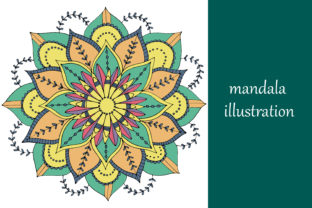
Detailed Mandala Illustration: Exploring a Unique Artistic Expression
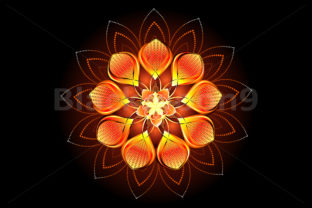
A Detailed Mandala Illustration is more than just an intricate design—it's a form of visual storytelling rooted in symbolism and symmetry. Unlike generic patterns, these illustrations are carefully hand-drawn, often incorporating floral motifs, geometric precision, and vibrant color palettes. The result is a piece that feels both meditative and dynamic, suitable for a wide range of creative applications. Whether used in digital design or printed on physical products, a high-quality PNG file of a Detailed Mandala Illustration offers flexibility without compromising clarity.
What Sets Detailed Mandala Illustration Apart
At its core, a Detailed Mandala Illustration is distinguished by the level of craftsmanship and attention to detail. These are not mass-produced digital assets but often hand-drawn pieces that reflect the artist's personal style and dedication. The integration of floral elements adds a natural, organic feel, while the use of bright colors ensures visual impact. This combination makes each illustration unique and adaptable across different mediums.
Compared to simpler vector graphics or stock patterns, Detailed Mandala Illustrations stand out for their richness and depth. They are not just decorative but can serve as central design elements in branding, packaging, digital art, or mindfulness practices. The high-resolution PNG format ensures that the fine lines and subtle gradients remain intact, even when scaled for large-format printing or detailed web use.
How It Compares to Other Art Styles
When considering artistic options for design projects, users often weigh Detailed Mandala Illustrations against other styles like minimal line art, abstract digital patterns, or traditional clipart. Each has its own strengths:
- Minimal line art is clean and modern, ideal for subtle backgrounds or minimalist branding, but lacks the visual complexity of mandalas.
- Abstract digital patterns can offer similar vibrancy and fluidity, but may not carry the same symbolic or meditative qualities.
- Traditional clipart tends to be more generic and less customizable, especially for high-end applications.
Compared to these, Detailed Mandala Illustrations offer a balance between aesthetic appeal and symbolic depth, making them well-suited for projects where both visual richness and meaning matter.
Strengths and Limitations
The strengths of a Detailed Mandala Illustration lie in its versatility and visual impact. Because of the high-quality PNG format, it can be layered into complex digital compositions or used as a standalone graphic on printed materials. The intricate linework and floral elements make it ideal for:
- Yoga and wellness branding
- Event invitations and greeting cards
- Apparel and home décor design
- Mindfulness and coloring books
However, there are tradeoffs to consider. The level of detail, while a strength, can also be a limitation in minimalist design contexts. If a project calls for simplicity or subtle texture, a mandala illustration might overpower the layout. Additionally, because many mandalas carry cultural or spiritual significance, it's important to use them thoughtfully and with awareness of their origins.
When to Choose a Detailed Mandala Illustration
For designers and creators looking for a balance between complexity and elegance, Detailed Mandala Illustrations can be an excellent choice. They work particularly well when the goal is to evoke a sense of harmony, balance, or tradition. For example, a wellness brand launching a new line of meditation journals might use a mandala as a central motif to reinforce the product’s purpose.
In contrast, if the design requires a more modern or streamlined aesthetic, alternatives like geometric vector art or abstract watercolor textures may be more appropriate. The key is to align the illustration style with the overall tone and function of the project.
Practical Comparisons
Let’s look at a few real-world examples to highlight how Detailed Mandala Illustrations compare to other design assets:
- Branding for a holistic wellness center: A mandala illustration could serve as the logo or background texture, reinforcing themes of balance and mindfulness. In contrast, a minimalist icon might feel too generic and lack emotional resonance.
- Designing a line of greeting cards: Floral mandalas can be adapted to various occasions—birthdays, weddings, or spiritual milestones—offering a cohesive yet versatile look. Clipart-style illustrations, on the other hand, may not offer the same depth or customization.
- Creating digital backgrounds for meditation apps: The intricate patterns of a mandala can provide a calming visual anchor. However, if the app interface requires a more subtle or neutral background, abstract gradients or soft textures may be more effective.
Decision Factors to Keep in Mind
Choosing the right illustration style depends on several factors beyond aesthetics. Consider the following when deciding whether a Detailed Mandala Illustration fits your project:
- Intended use: Will the illustration be used digitally, in print, or both? The high-quality PNG format supports both, but usage context matters.
- Target audience: Does your audience respond to symbolic or spiritual imagery? If not, simpler or more contemporary styles may be better received.
- Design complexity: Mandalas are intricate by nature. If your layout is already busy, adding one might create visual clutter.
- Color scheme: Bright colors are a hallmark of many mandalas. Ensure they align with your brand or project palette.
- Customization needs: Some projects may require color variations or simplified versions. Always check if the illustration can be edited or adapted without losing quality.
Best Fit Situations
Detailed Mandala Illustrations are particularly well-suited for:
- Therapeutic and mindfulness content
- Print-on-demand products like t-shirts, mugs, and posters
- Editorial design in lifestyle or wellness publications
- Logo and branding elements for holistic businesses
- Art licensing and creative marketplaces
In these contexts, the rich detail and symbolic nature of mandalas enhance the overall message and visual appeal. However, in fast-paced digital environments or minimalist design systems, alternative styles may better serve the purpose.
Conclusion: Making an Informed Choice
Ultimately, the decision to use a Detailed Mandala Illustration should be based on both aesthetic and functional considerations. While its intricate design and vibrant color palette offer undeniable visual appeal, it’s important to evaluate how well it aligns with your project’s goals, audience, and overall design strategy. When used thoughtfully, a hand-drawn mandala illustration can elevate your creative work—whether in digital or physical form—offering a unique blend of beauty, symbolism, and adaptability.